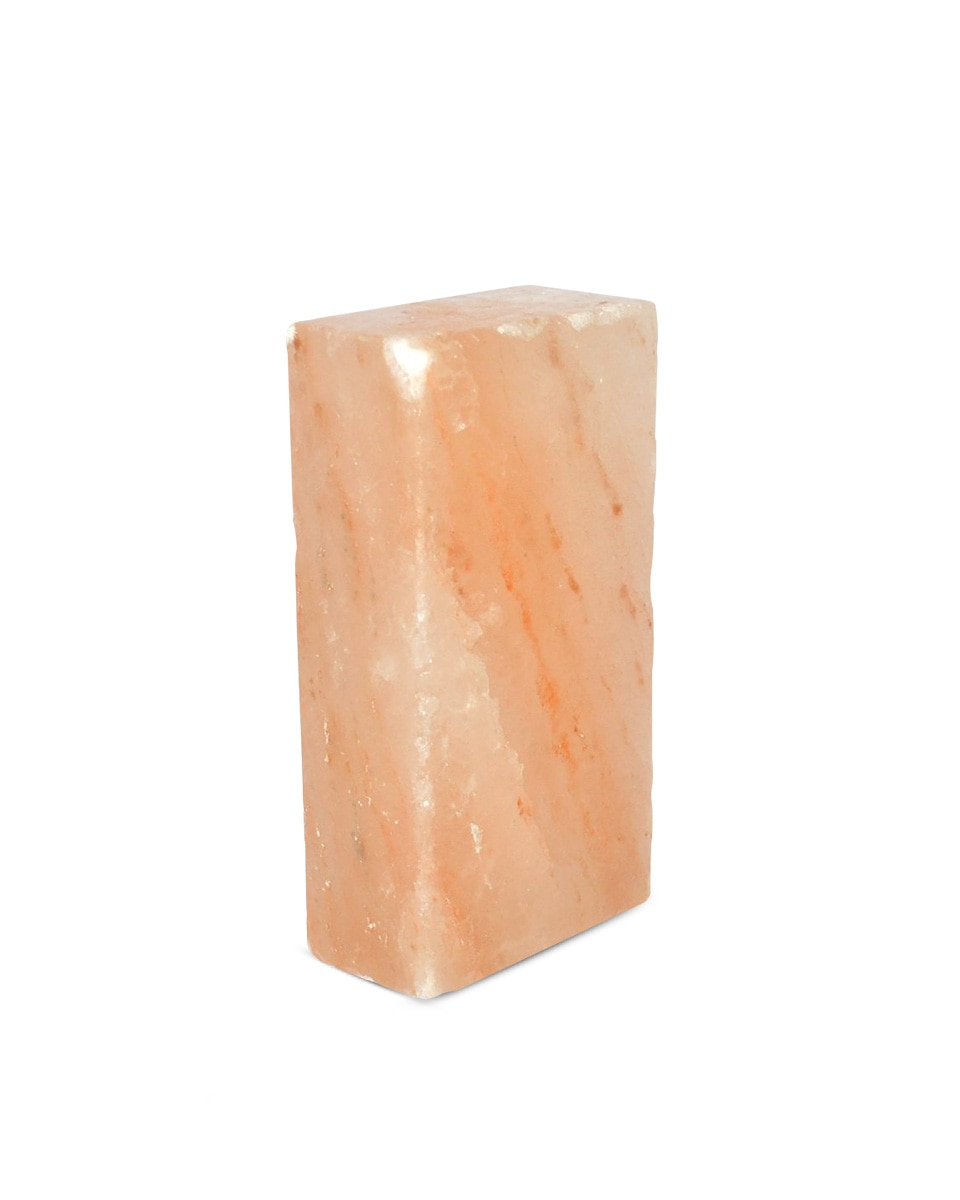
Pinit Himalayan Salt BlockBrands Vary(0) Write a Review Price: $ Quantity discounts available QuantityPrice Size : 4lb Prescription Info ID : Prescription Pet : Prescription Authorization : Prescription Vet : Frequency : Every Week Every 2 Weeks Every 3 Weeks Every Month Every 5 Weeks Every 6 Weeks Every 7 Weeks Every 2 Months Every 9 Weeks Every 10 Weeks Every 11 Weeks Every 3 Months Every 4 Months Every 5 Months Every 6 Months Every 7 Months Every 11 Months Every 12 Months DescriptionThe Himalayan Salt Block is made from salt mined from ancient deposits in the Himalayan Mountains. This form of salt is pure and full of minerals that your horse will love. A balanced intake of iron, potassium, and magnesium are critical to your horse's diet and overall health, so salt blocks such as this provide an important dietary supplement. * This product brand will vary. If you have a specific brand you're looking for please email us at info@farmvet.com before purchasing.DetailsFeatures:Pure saltIncludes minerals, potassium, magnesium, and ironBlock-shapedDietary supplement Reviews 0 BackRatings & ReviewsNo reviews availableBe the first to Write a Review